Mark hunkered down along the edge of the birch grove, half the sun still perched on the ridgeline. Wind drifted in from his right rear. He dabbed a thumb in his spit and held it up — the cool side told him where the wind was coming from. His old man taught him that trick, just like his grandfather had taught his father. More than seventy percent of misjudgments while hunting happen in that narrow half-hour around sunrise and sunset. Every shift in light ramps up how easily our eyes mess up distance and identification. And that evening, Mark nearly made that very mistake.
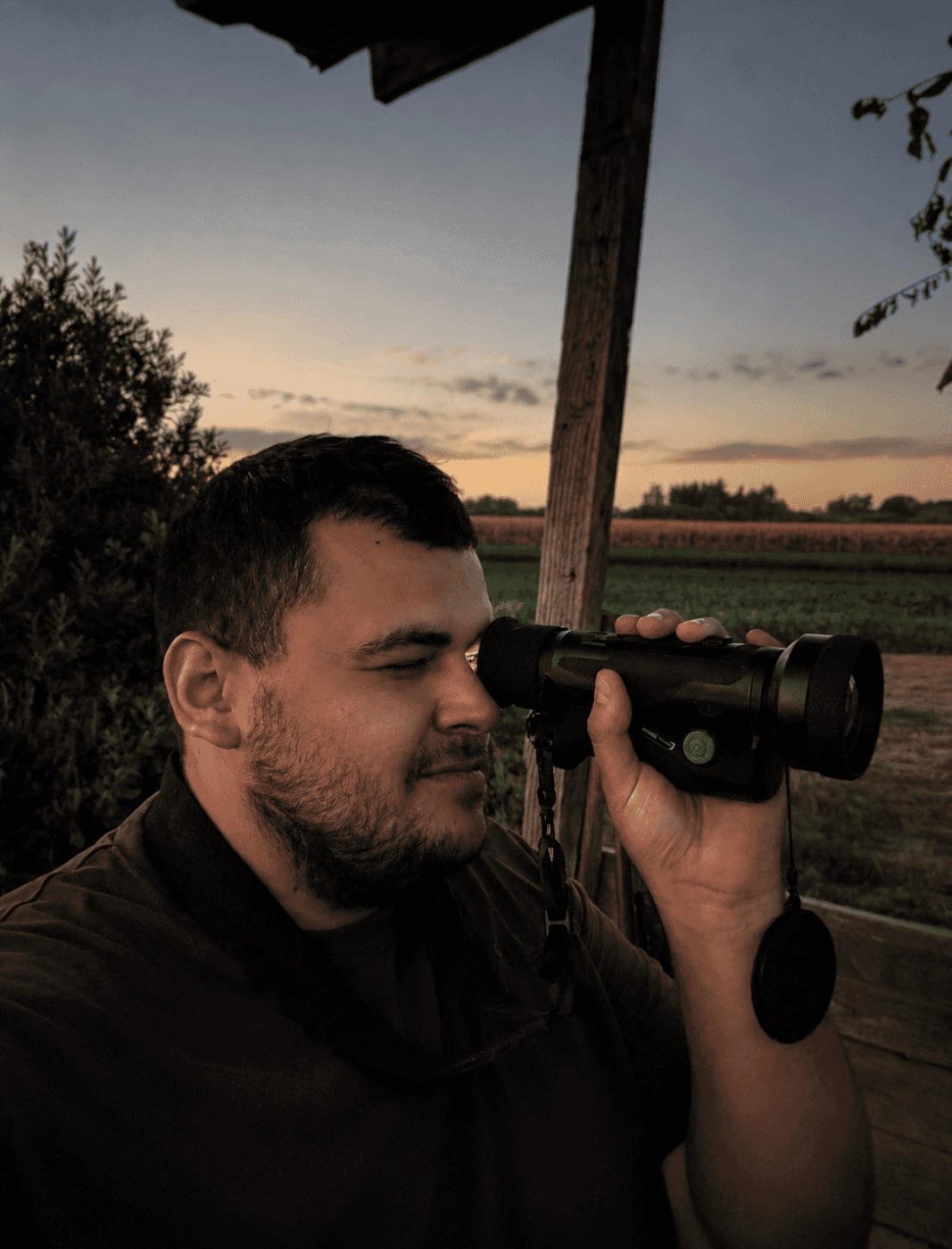
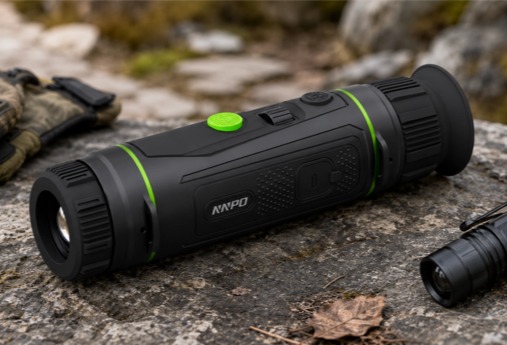
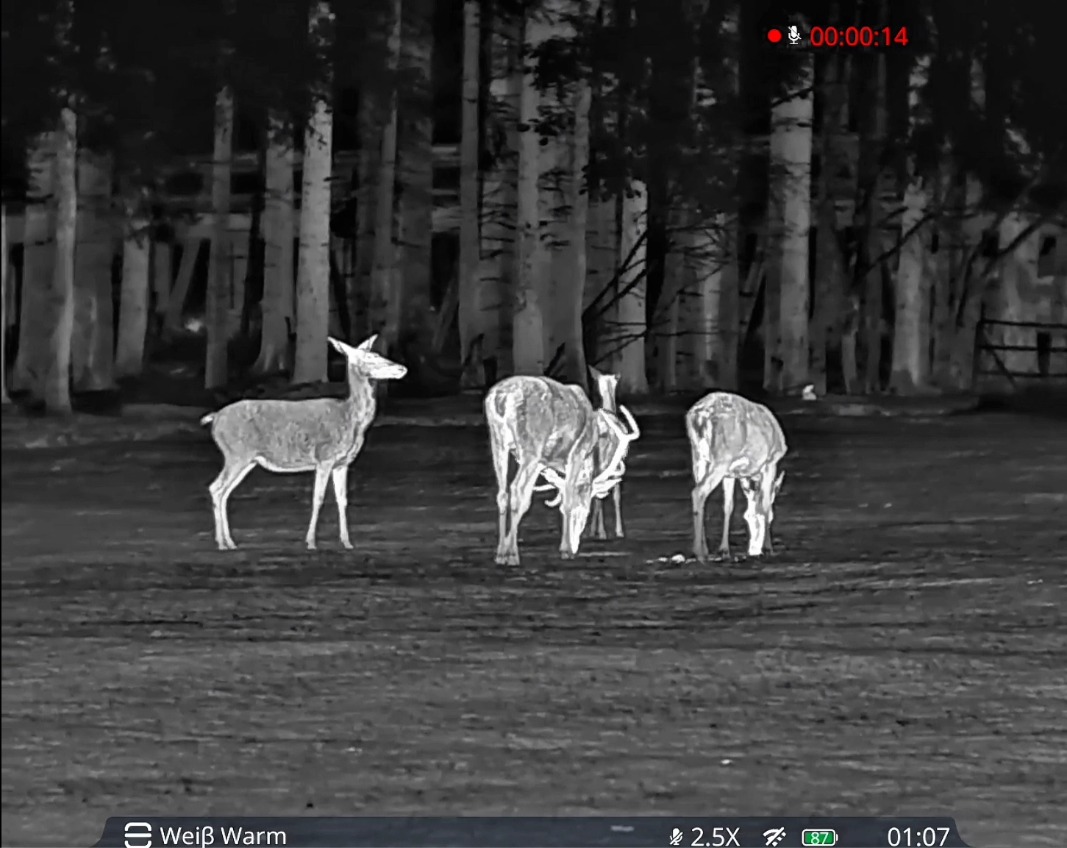
Something stirred deep inside the timber. Mark raised his binoculars, catching only a shapeless taupe blur moving through the grass. Was it a roe deer? Or a stray sheep from a nearby farm? At roughly two hundred meters, the fading light left him guessing. That's when he remembered the NNPO Hogseeker stowed in his pack. A thermal imager picks up temperature differences; warm living creatures pop bright against cooler surroundings on its display. It needs no visible light, no IR illuminator, and can render sharp outlines even in total darkness. He powered it up and peered through. On screen, two roe deer stood clear as day — an adult and a fawn pressed tight against its hind legs. Without this tool, he might have taken that shot blind, and cost both of them their lives.
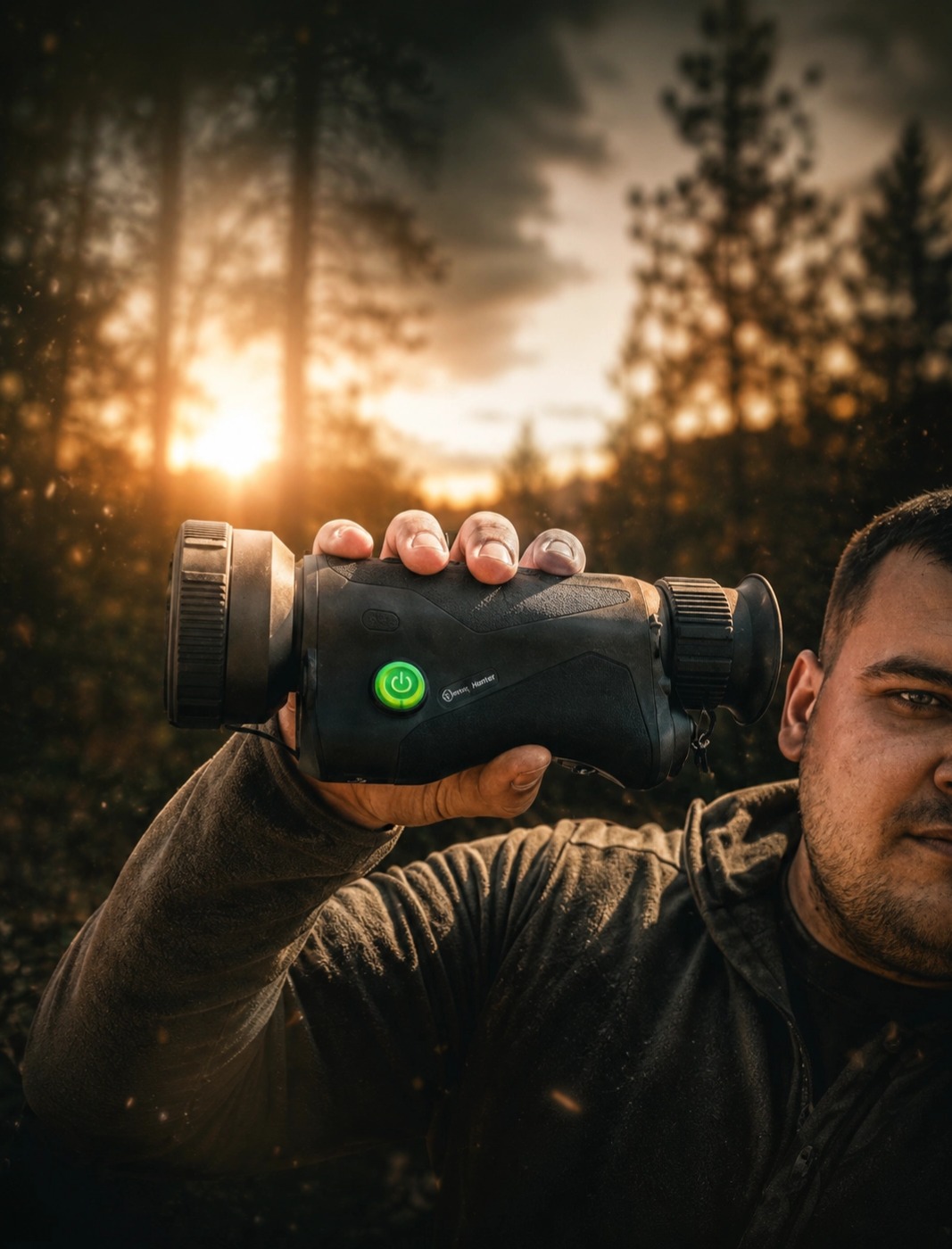
Hansen, a hunter with twelve seasons under his belt, put it this way: “A thermal imaging doesn't let you shoot farther. It lets you see clearer — clear enough that sometimes you choose not to shoot.”
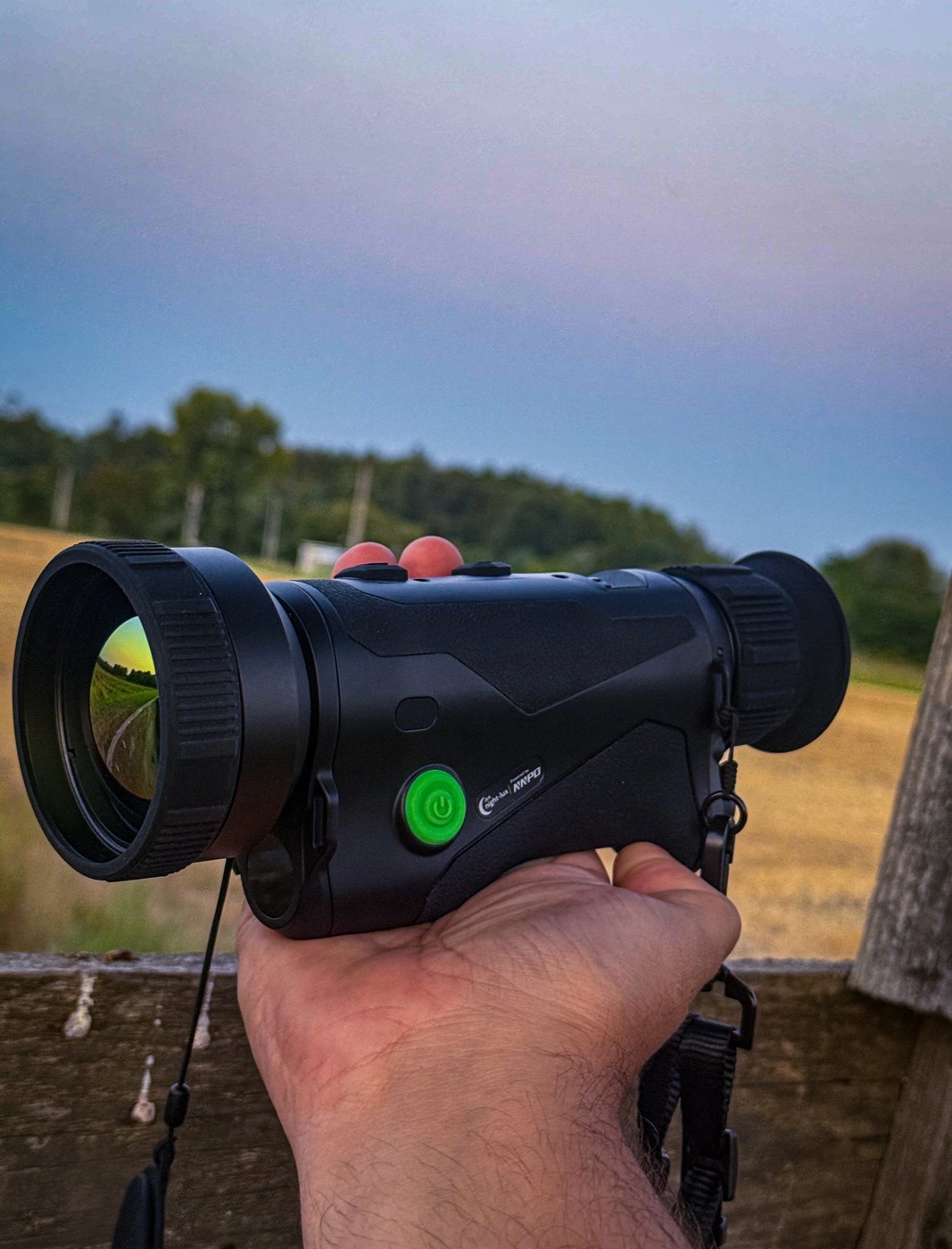
That's the heart of it. At dusk, light fades fast, and visibility shrinks by the minute, yet this is exactly when wildlife moves most. Old school wisdom says hold off and wait for a better look, but wait too long and darkness swallows everything. The Hogseeker's high-resolution lens reaches out and cuts through low-light clutter. Zoom in on distant targets, and you can tell buck from doe, check for antlers, spot if there's a young one tagging along. Mark told me he watched the pair for four full minutes. He saw the fawn nuzzle under its mother's belly to nurse, then he lowered his rifle.
Seeing game doesn't mean pulling the trigger. A thermal camera buys you time, not a reason to act on impulse. The more detail you see, the more you pause — and that pause breeds respect. Mark stayed crouched and smoked half a cigarette, waiting until the two deer drifted deep into the woods before he stood up. He used to think this gear made a hunter more deadly. Now he knows it makes you better at holding back.
He still wants to run more tests before he passes final judgment. How will the unit hold up when temperatures drop well below zero midwinter? How well does the imaging perform in snow, where temperature contrasts are faint? Those questions will get answered on future hunts.


Copyright © 2024 Shenzhen NNPO Technology Co.,Ltd . All Rights Reserved
Designed by 
We use cookies to enhance your browsing experience and protect your privacy. Please read our privacy policy for more information.


 Home